


-
Audio
-
Guitar
-
Bass
-
Blog
-
SALE
-
Financing
- Support
- SINCE 1946
-
Catalog


Power ratings can be one of the more confusing concepts, especially for newer players looking to find the perfect match of head and cab or to get a PA system up and running. Unlike power amplifiers and bass amp heads, which generally list a single rating or ratings at different impedances, speakers have up to three ratings listed, further confusing matters! But fret not- this article will break down the differences between these numbers and what they all mean.
How Power Handling is Determined
Speaker power handling is a very complex subject. But you need to understand the general ideas behind these ratings to prevent breaking your gear! For a practical, real world example, let’s take a look at the ratings of the Carvin Audio PM12.
Carvin Audio PM12: 300W continuous, 600W program, 1200W peak.
For most companies, these are real tested numbers, but they are not the same tests used in power amp or instrument amplifier testing. The power handling of a speaker is determined by the temperature rise of the speaker’s voice coil over a period of time. The unique thing is the input signal used to test the speaker. Because speakers use small wire to make up the voice coil, they do not hold up very well to the sine wave or single tone signals used in power amp testing. For speaker testing, the input signal is pink noise, which are essentially random sine wave tones of all the audio frequencies with the same energy level per octave.
You may be more familiar with white noise, which it is all frequencies with the same level regardless of octaves. To experience some white noise, turn up your guitar amp full or your mixer mic preamp. It’s that “Shhhhh” sound. If you turned down the presence or treble knob a little that would start to sound like pink noise. Pink noise sounds like it has more low frequency or bass content, and that’s the per octave part.
The pink noise signal for speakers has one more special ingredient, and that is how its peaks are limited which is called the crest factor. The crest factor corresponds to how high the peaks are above the average level. The average level is measured by an RMS voltage meter and this is called the continuous level. The crest factor is typically 6dB, which means the peaks in the pink noise are twice the voltage level of the continuous RMS measurement. So you say “twice, but the peak wattage is four times.” If we look at the resulting wattage on the speaker the equation is:
Speaker power = the square of the voltage / the impedance of the speaker or P=V2 / R
If you double the voltage at the peaks, it creates four times the wattage, because the voltage is squared. The program level is just a reference where the wattage has doubled and is not really a testing parameter.
If this sounds complicated, don’t worry- what you need to know is how these ratings apply to your day to day life using your gear.
What the Numbers Mean to You:
The continuous rating is the base line wattage that the cabinet can handle without risking any harm to the voice coil or other parts of the speaker. This is considering extended periods of use, like at a gig or rehearsal. If you have a 300 watt PM12, it can handle a 300W amplifier’s output. But remember never to clip your amplifier, because the clipping output of your amplifier is like putting four times the amp’s rating of RMS power into your speaker. The speaker can handle peaks of four times, but these are short clean audio peaks, not the continuous output of clipping. Clipping usually steals life from your speakers and the clipping signals really don’t make much sound, slamming the speaker all the way in or out. If the speaker is not moving it’s not making any sound, but the coil will still burn.
Time to demystify a myth here: “Under powering a speaker.” The continuous rating is not the minimum wattage you can put into your speaker. Using amplifiers that are under the continuous rating will not harm your speaker. Under powering a speaker will not bring the speaker to full output. On the other hand, you can under power a show by bringing too small a system for the show and running it into clipping. A speaker can handle some clipping but the amplifier’s rated wattage would have to be four times less than the speaker’s continuous rating to be safe for clipping. That’s a small amplifier at about 75 Watts for the PM12.
The program rating is the maximum wattage that the speaker can handle in bursts. This is usually the better amplifier wattage to shoot for when matching an amp to a speaker. The PM12 has a program ratting of 600W. If you use a 600W amplifier you have 3dB more of clean headroom before approaching clipping. Also, amplifiers are limited in their power supplies and usually only produce about twice more output on peaks, so this could produce the full 1200W peaks. Or at least that is in theory. This would then produce the full output of the speaker or Max SPL.
The peak rating is the maximum wattage the voice coils can take in very short peaks. As mentioned before, this is used if you are trying to achieve the maximum output of the speaker or Max SPL rating.
So, Which One Should You Go By?
A speaker’s continuous and program ratings are the most relevant to most musicians and pro audio enthusiasts. The peak rating details the upper limits of the speaker’s power handling capacity and max SPL. A good way to remember this is to think of your speaker like your vehicle. When driving your vehicle, you’ll be driving between 20-80 mph most of the time. This is like your speaker’s continuous to program rating- it is the common, day to day usage. The peak rating is akin to the top of your car’s speedometer. Yes, your car can go 120mph (don’t try it, you’ll get a ticket!) but it won’t be able to sustain that for very long without the risk of mechanical or thermal damage.
Question in Scott's comment:


An often overlooked aspect of a band’s live or studio sound is the type of microphones that are being used for the vocals or to mic up the instruments and drums. In fact, the choice of microphone used for these applications is nearly as important as what amps, guitars, or drum kits are being played!
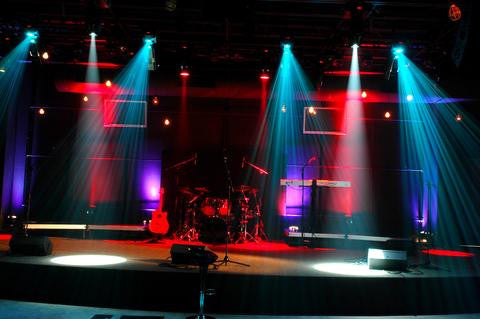
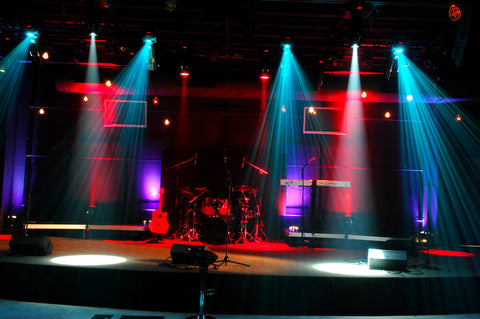
When planning an event or concert, one of the most difficult things can be choosing the right PA system to use and setting it up. Of course, you can borrow one from a friend, but there still comes the issue of transporting it to the venue, setting it up, and plugging it in. PA rental companies make your life easier, as they often will deliver the sound system to the venue and set it up, at a fee of course. But if you host events frequently, this is not very cost effective.

While a set of high quality monitors is a tried and true solution for hearing your band’s mix onstage, there are numerous reasons why changing it up with a wireless in-ear monitoring system can make your live performance even better.


If you're a musician, DJ, or sound professional who has had to deal with PA systems, you know the drill. They are usually heavy, cumbersome, and take up a lot of space in the van, weighing you down on the way to the gig and especially in a touring situation. And while most music venues will provide a sound system for your performance, most inevitably you will play a gig where the PA has gone MIA. Or maybe there is a sound system, but it is on its last legs and isn’t able to put out the best sound to give your performance justice. With Carvin Audio’s TRC Active Column Array Systems, you get professional, high-fidelity sound in a portable package that gets the job done at any gig. These innovative systems feature full range, dynamic audio that will fill the venue and help your audience enjoy your music on a whole new level.
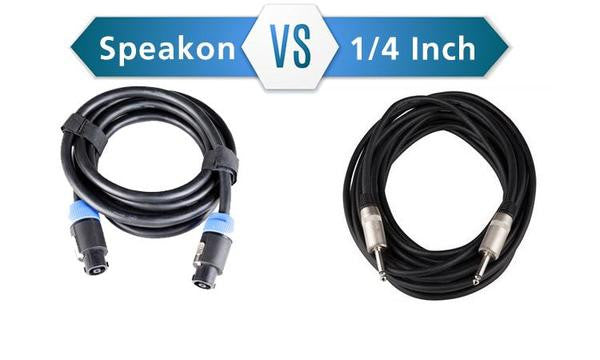
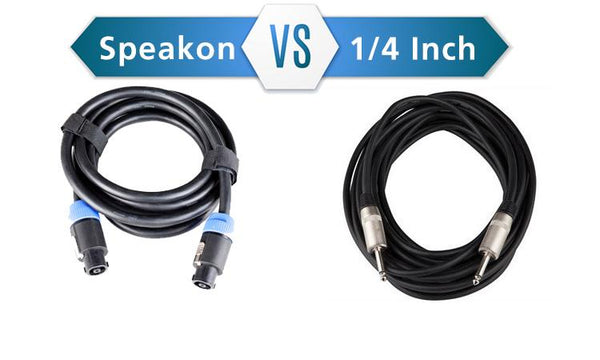 Speaker cables equipped with Neutrik* Speakon connectors provide a multitude of benefits over standard quarter inch speaker cables. While quarter inch connectors work just fine, Speakon connectors take it up a notch with particularly useful features that will earn them a spot in your pro audio setup.
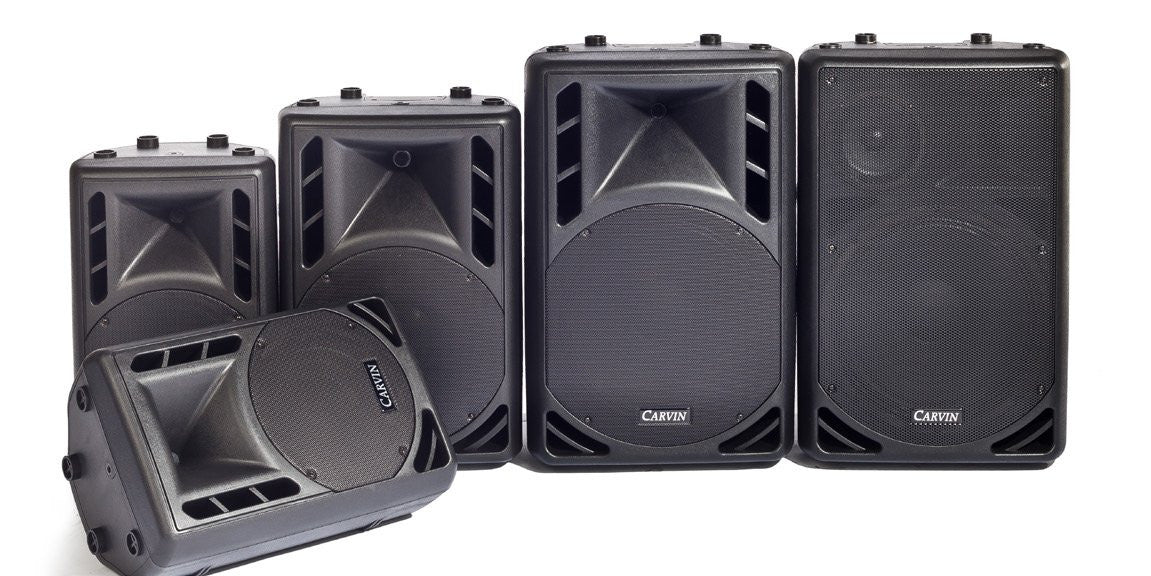
If you're a singer, you know the struggle. There you are at band practice, singing your heart out into the mic, but the rest of the band is drowning you out. No one can hear the vocals, and you can't even hear yourself. You can't help but wonder if you just can't sing loud enough. But fret not, chances are you just have to rethink your PA system situation!
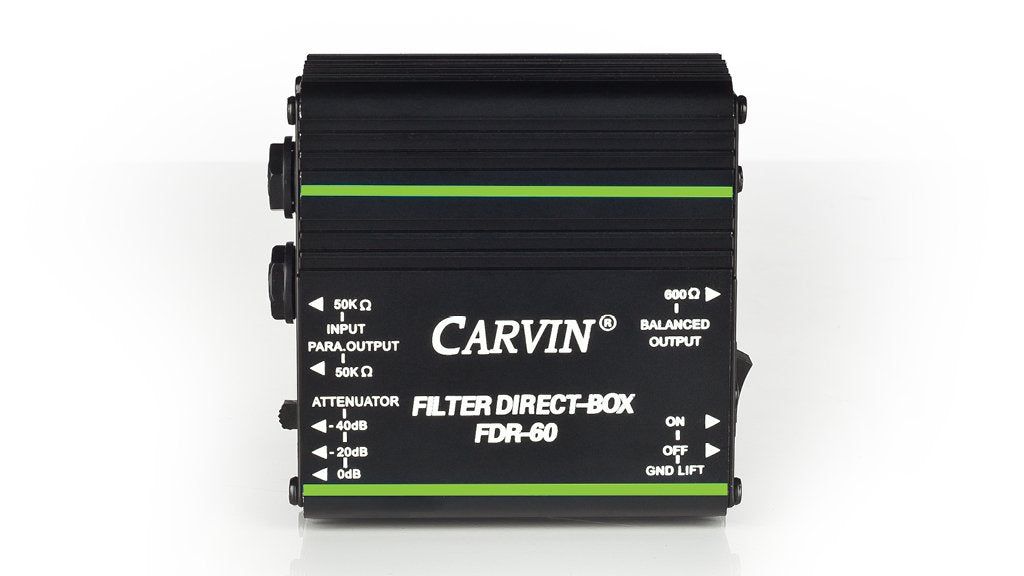

A Direct Box, or DI Box may not look like much, but it is an indispensable tool for both the stage and studio. Its primary function is to convert unbalanced signals to balanced signals. Common instruments like electric guitars, basses, keyboards, and many instrument amplifier line outputs are unbalanced outputs that accommodate your standard quarter inch cable. The signals from these instruments can be susceptible to buzz, hum, and interference, especially when running these cables long distances. This is not always avoidable, as it often occurs that the mixing console or your amp is far away from where you’re standing.
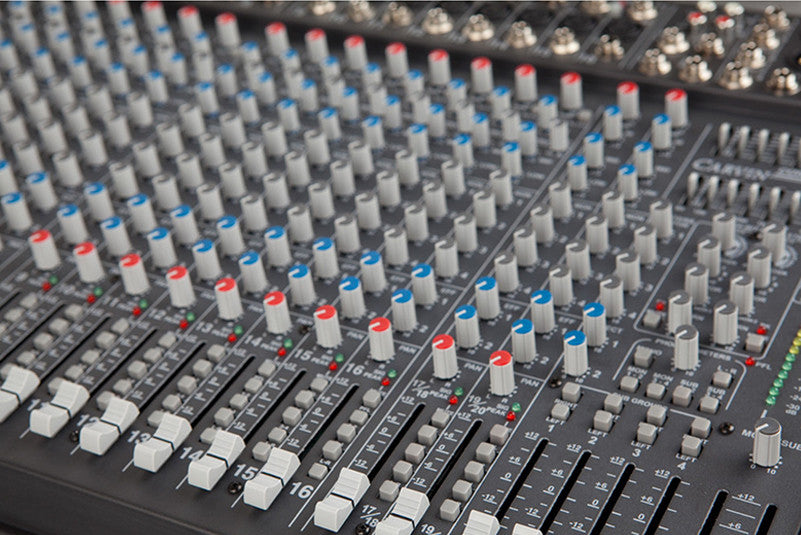
Your music is all set to be recorded, you have put in laborious hours for the composition and the rehearsal, your band has smoothed out all the bumpy spots, your music has gleaned a beautiful flow from the beginning to the end, and for your crowning glory you have booked the recording studio to immortalize your music. However, recording time incurs a hefty cost and it is imperative that you go with ample preparation to garner the most out of your time. With diligent forethought, your limited studio time would slip away with little to show for it. Here are the top 7 ways to maximize your studio time:
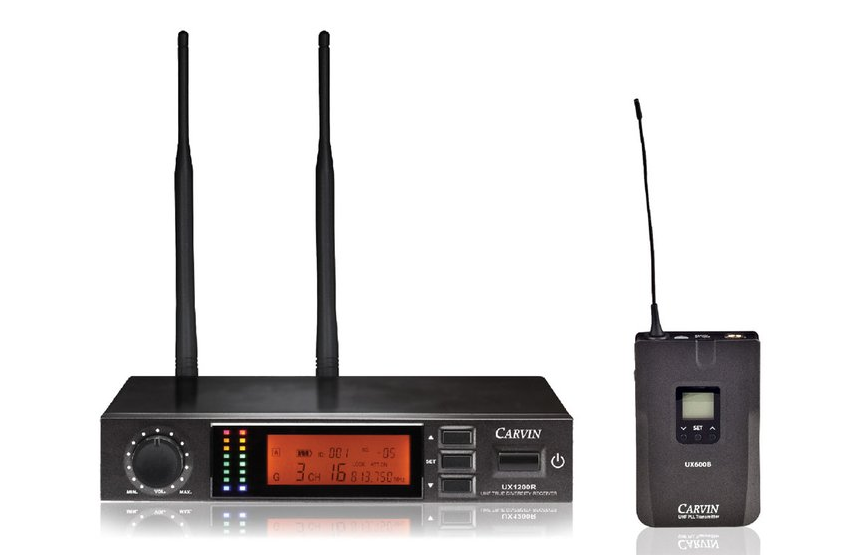
Connecting an instrument to an amplifier using a standard ¼” instrument cable has long been the classic, tried and true method. It’s simple, cost effective, and preserves the sonic integrity of your instrument, so long as you use quality cables. The wired method is not without its faults though. As reliable as it is, there’s no denying that it tethers you to your mic stand or instrument and restricts your movement around the stage. You can only go as far as your cable will let you, and if you like to move around a lot, you have to constantly be cautious of stepping on your cable, tripping over it, or tangling it up.
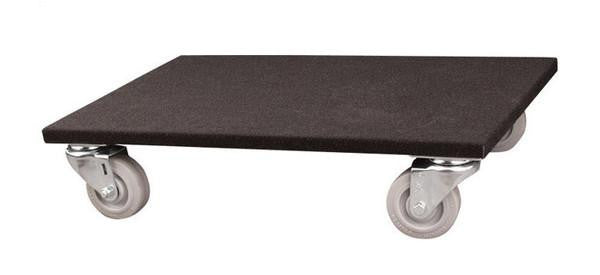

As a working musician, you spend a lot of your time and effort moving your equipment around. It’s a labor of love-- you want to sound your best and have the equipment to do it, but getting it in and out of venues night after night can be a taxing affair. Even if you’re the guy in the band who travels light, it often happens that the parking situation at the venue is less than ideal. Getting any sized rig or speaker setup from your car to the stage may pose some problems as you’re stuck lugging all your gear three city blocks.
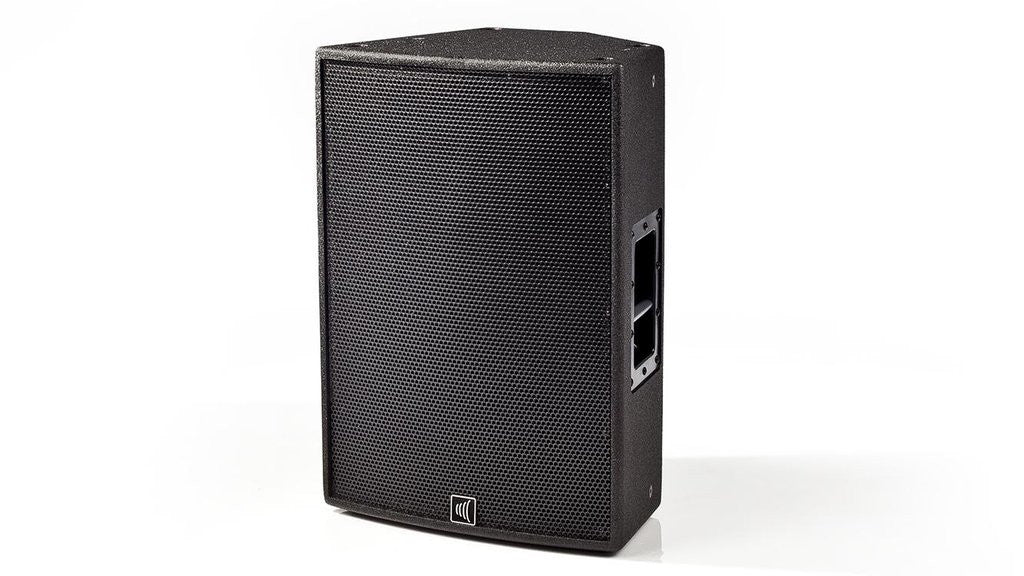
Did you know the TRx2115A has optimized DSP settings to be used in high power music playback with the option of extended bass enhancement? The internal DSP (digital signal processing) is optimized for the time alignment and crossover point for the most efficient clean high output, but there are some optional added processing settings. The playback mode EQs the cabinet for high output music playback. This is ideal for DJs and banquet background music.


I’m pondering a passive speaker with Full Range Power @ 8 ohms of 600w Continuous /1200w Program /2400w Peak.
I’m also looking at an amp with the following specs:
OUTPUT POWER
1 CHANNEL RMS continuous
- 8 ohms: 400 watts
- 4 ohms: 700 watts
- 2 ohms: 1150 watts
BOTH CH RMS continuous
- 8 ohms: 325/325 watts
- 4 ohms: 600/600 watts
- 2 ohms: 1000/1000 watts
BRIDGED RMS continuous
- 8 ohms bridged: 1200 watts
- 4 ohms bridged: 2000 watts
I have no idea which set of amp numbers to look at (1 ch, both channels, or bridged?) Would this amp be a good fit for this speaker? (I’d like the amp to power two of these speakers.)
Thanks for any input you can give me.
Answer:
Here is how I would approach this. First you are starting with the cabinet. This is fine, because you need to start somewhere, and the speaker is probably better. Your choice of cabinet has a continuous wattage of 600 watts and it is 8 ohm. You also mentioned you would like to run two cabinets.
Of course any wattage amp will run the cabinet, but here we are trying to maximize the output of our system. If you could only afford a 200 watt amp, just don't try to do a show that should have 1200 watts. A 200W amp clipping will burn a 600W cabinet eventually.
Back to the point, the ideal setup is where the amp's RMS rating is around the speaker's program rating. This lets the amp's peak wattage approach the peak wattage of the cabinet. In this case two 1200 watt cabinets at 8 ohm each would be like a single cabinet at 2400 watts at 4 ohms. With the amp you listed doing 2000 watts bridged in a 4 ohm load, you are very close to ideal. This amplifier would perform well with these cabinets. One thing this does account for is AC line sag. If you can afford to bump the amp to a 3000 watt amp at 4 ohms you will have another 1.5DB of headroom for poor AC sag. This is often another reason for amplifiers clipping early. If you don't supply solid AC the amplifier can't put out its rated wattage. For PA subwoofers and mains it is best to get as much dynamic headroom as you can in the amplifiers. It's a lot more fun to run a big rig easy than slamming a small rig to its limits.
Hope this helps.